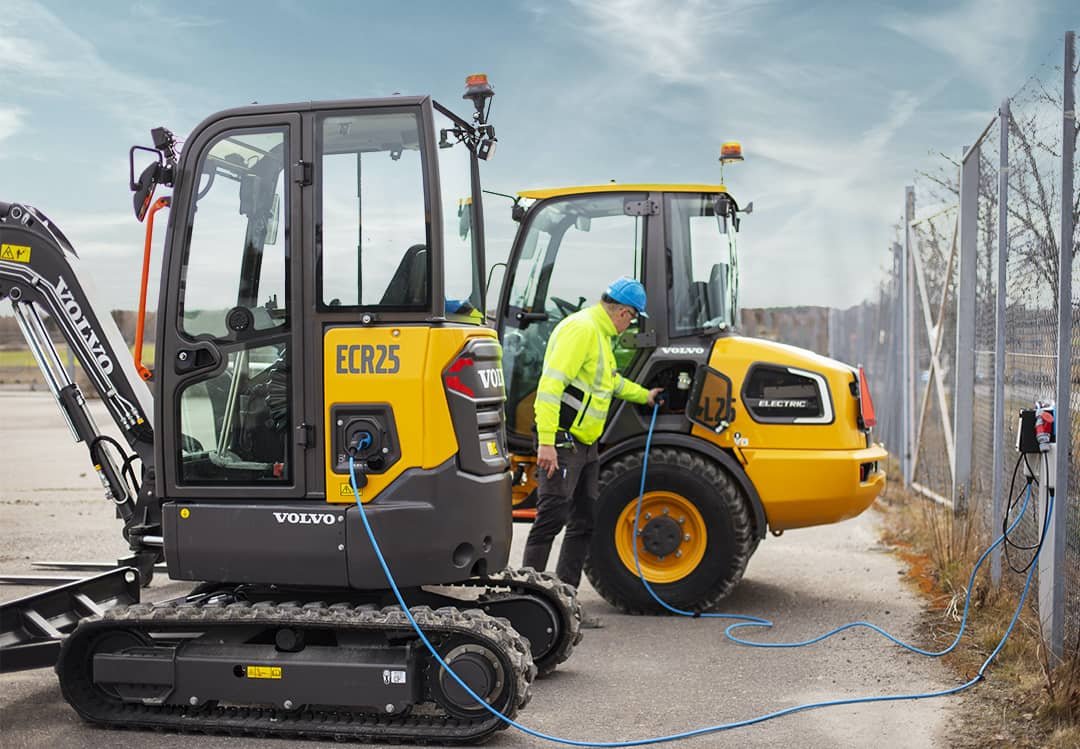
Mastering Efficiency: The Comprehensive Guide to Excavator Charging Systems
In the realm of heavy machinery, excavators stand as giants, and at the heart of their operational prowess lies a critical component: the charging system. In this SEO article, we embark on a journey to unravel the intricacies of excavator charging systems, exploring their importance, components, and Heavy Machinery Equipments
Understanding the Significance of Excavator Charging Systems
Powering the Beast
Excavators, with their robust capabilities, rely heavily on electrical power for various functions. The charging system plays a pivotal role in ensuring a steady and reliable supply of power to essential components, including lights, sensors, control systems, and more. It’s the lifeblood that keeps the excavator performing at its peak.
Battery Maintenance Support
The charging system is not just about generating power; it’s also about preserving and optimizing the excavator’s battery life. Through a regulated charging process, it prevents overcharging or undercharging, contributing to prolonged battery health and reducing the likelihood of unexpected downtime.
Components of Excavator Charging Systems
Alternator: The Power Generator
At the core of the charging system is the alternator. This device converts mechanical energy from the excavator’s engine into electrical energy, supplying power to the entire electrical system while simultaneously charging the battery. Understanding the alternator’s functionality is key to grasping the dynamics of the charging system.
Voltage Regulator: Ensuring Stability
The voltage regulator acts as the guardian of the charging system, maintaining a stable output voltage to prevent damage to electrical components. It regulates the alternator’s output, ensuring a consistent supply of power while preventing voltage spikes that could harm sensitive electronics.
Battery: Storing Power Reserves
While not a direct component of the charging system, the battery is intrinsically linked to it. The charging system replenishes the battery’s power reserves, providing the necessary energy for starting the engine and supporting auxiliary functions when the excavator is not in operation.
Maintenance Practices for Optimal Performance
Regular Inspections
Routine inspections of the charging system components are essential. Check for loose or damaged belts, inspect wiring for wear, and ensure that connections are secure. Early detection of issues through regular inspections prevents potential breakdowns and costly repairs.
Battery Health Checks
A healthy charging system begins with a well-maintained battery. Regularly assess the battery’s voltage, electrolyte levels, and overall condition. Clean terminals and ensure a secure connection to the charging system for optimal performance.
Alternator Efficiency
Monitor the alternator’s performance through voltage checks. An alternator that consistently provides the correct voltage is crucial for sustaining the excavator’s electrical system. Address any fluctuations promptly to prevent downstream electrical issues.
Conclusion: Powering Progress with Precision
In conclusion, excavator charging systems are the unsung heroes that power these engineering marvels. By understanding their components and implementing proactive maintenance practices, operators and fleet managers can ensure uninterrupted performance and extend the lifespan of both the charging system and the excavator itself. Master the intricacies of excavator charging systems, and you’ll unlock a new level of efficiency and reliability in your heavy machinery operations.