Description
John Deere Dump Truck Troubleshooting
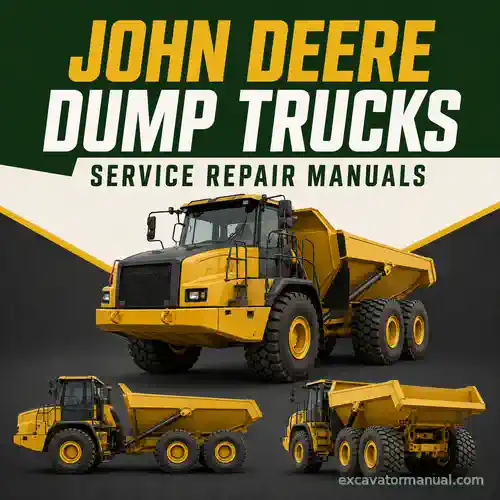
John Deere articulated dump trucks (ADTs) are built to endure harsh job sites, but unexpected downtime can stall an entire project. When a warning light illuminates, field mechanics must act quickly. Diagnosing these advanced machines requires a clear understanding of electronic fault codes and hydraulic system behavior.
Common Mechanical Diagnostics and Fault Codes
Modern John Deere dump trucks rely on an interconnected network of Electronic Control Units (ECUs) to monitor performance. When a component operates outside its normal parameters, the system triggers a Diagnostic Trouble Code (DTC).
Mechanics utilize these codes to bypass guesswork and pinpoint the exact failing circuit or mechanical part. Understanding how to read and interpret these digital alerts is the first step in successful heavy equipment repair.
Engine and Transmission Error Codes
The PowerTech engines and custom transmissions in John Deere trucks generate specific alphanumeric codes when failures occur.
- Engine Derate Codes: Codes related to exhaust gas recirculation (EGR), diesel particulate filters (DPF), or fuel rail pressure will often force the truck into “limp mode” to prevent catastrophic damage.
- Transmission Slippage and Sensors: Fault codes pointing to the transmission control unit (TCU) usually indicate sensor failure, incorrect fluid temperature, or pressure control valve malfunctions. Mechanics frequently search for wiring schematics to verify sensor harness continuity before replacing major components.
Hydraulic System Pressure Drops
The steering, suspension, and dump body functions of an ADT depend entirely on high-pressure hydraulics. A sudden drop in pressure can make a truck unsafe or unusable.
- Slow Dump Cycle Times: If the dump bed raises slowly, technicians check the main hoist valve and pump output.
- Steering Hesitation: Articulated steering requires precise flow. Pressure drops here are often traced back to a failing priority valve, worn cylinder seals, or a degrading hydraulic pump. Field mechanics rely on factory pressure specifications to run accurate flow meter tests.
Related products
-

John Deere 4930 Self-Propelled Sprayer Operator Manual – TM1393
$49.99 Add to cart -
John Deere 6800 Tractor Workshop Service Repair Manual Download
$49.99 Add to cart -
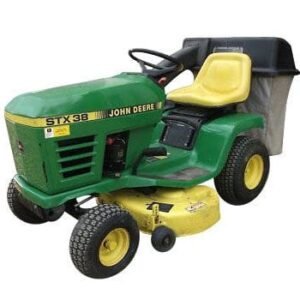
John Deere Stx38 Lawn Tractor Service Repair Manual
$39.99 Add to cart -
John Deere 1000 Series Tractors Service Repair Manual
$49.99 Add to cart